Exhibition: Making Things in Global Asia

An online exhibition by CAPASIA
Explore our new online exhibition by clicking the link below!
Making Things in Global Asia Exhibition
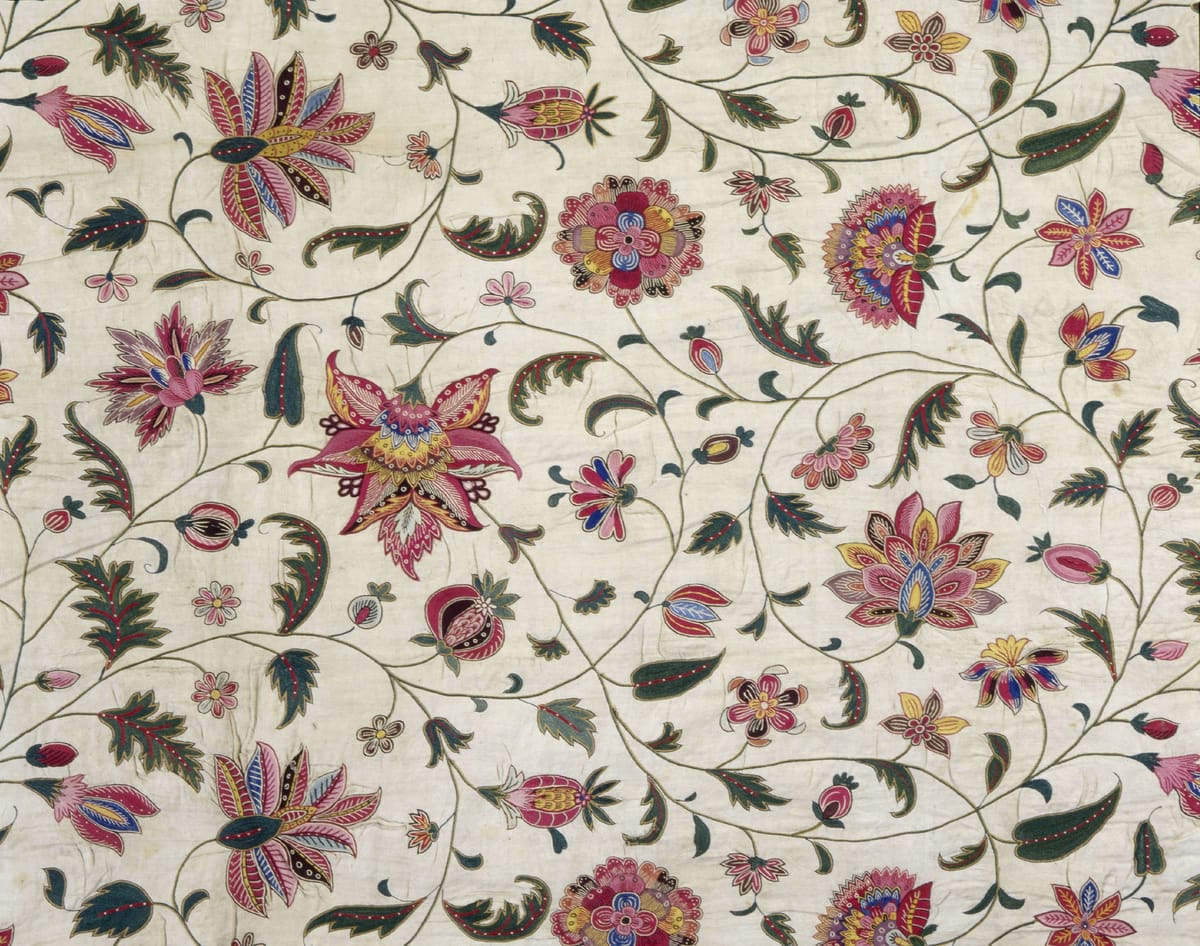
Long before Asia became the epicentre of global manufacturing at the end of the twentieth century, it was home to sophisticated cultures of production in the early modern period (1500-1800). This rich history has been obscured by narratives that see the Industrial Revolution of the period 1780-1830 as a domestic story of British (or at best, European) ingenuity. This exhibition, Making Things in Early Modern Asia, puts Asia centre stage. Early modern Asia was the world’s economic nexus, responsible for two-thirds of manufacturing. Commodities produced in early modern Asia transformed the consumption patterns of people worldwide, including in West Africa and the Americas. And this intercontinental demand for Asian commodities generated a truly global form of capitalism.