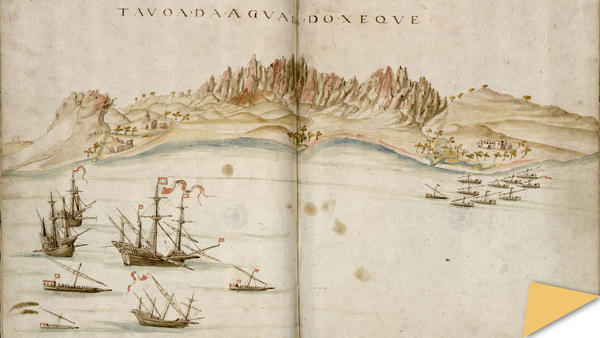
EUIResearch interview
Team-member Maarten Draper was interviewed by Stanislav Černega from the EUI communication department about his role in CAPASIA. Please find the interview here.


Team-member Maarten Draper was interviewed by Stanislav Černega from the EUI communication department about his role in CAPASIA. Please find the interview here.
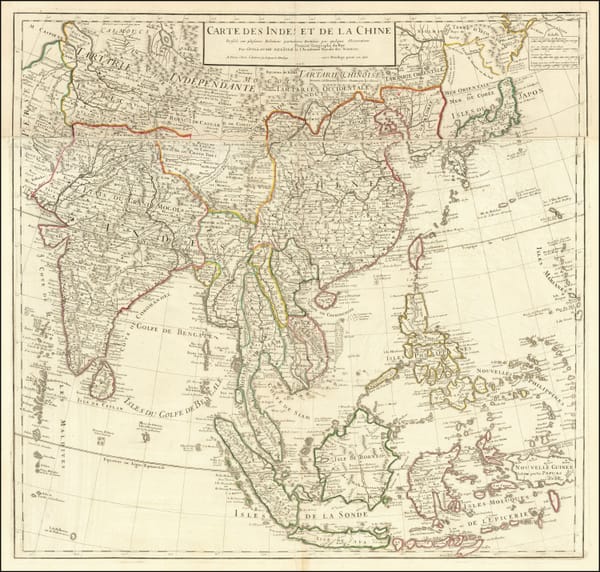
23 February 2026, EUI, Florence. Capitalising on the concentration of scholars in and around the ERC-funded CAPASIA project (capasia.eu), this one-day workshop brought together scholars interested in early-modern Asia at the EUI. The workshop sought to foreground new research on the circulation of people, commodities, ideas,
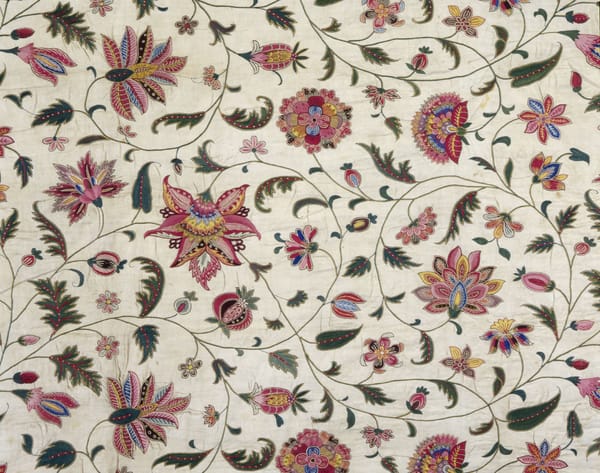
An online exhibition by CAPASIA Explore our new online exhibition by clicking the link below! Making Things in Global Asia ExhibitionLong before Asia became the epicentre of global manufacturing at the end of the twentieth century, it was home to sophisticated cultures of production in the early modern period (1500-
On 13-15 November 2024, CAPASIA organised the conference ‘Commodities and Environments in Early Modern Global Asia, 1400–1800’ in Florence. The conference examined the relationship between environments and commodities, focusing on the environmental impacts of commodity extraction, production, and trade during this period. Click here for a link to
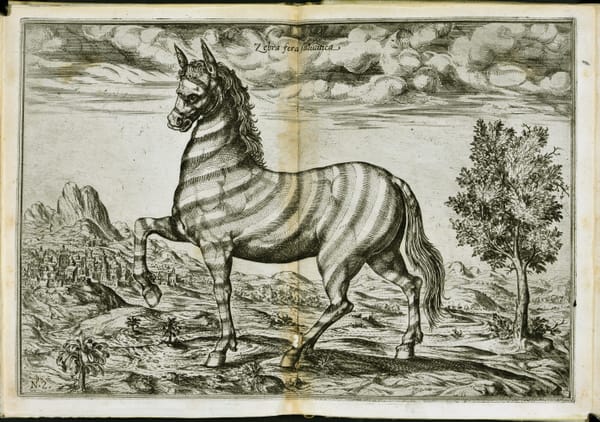
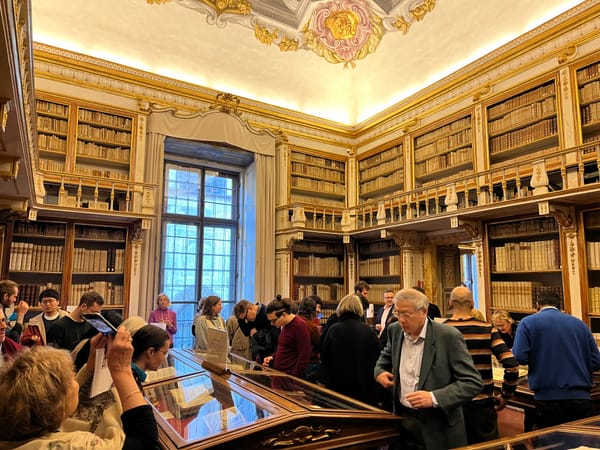
On 19 November 2024, the President of the European University Institute, Patrizia Nanz, inaugurated the exhibition 'Commodities and Environments: Florence and the Indo-Atlantic Worlds, 1500-1800' at the Biblioteca Riccardiana, in Florence together with the director of the library Roberta Masini and the CAPASIA PI Giorgio Riello.
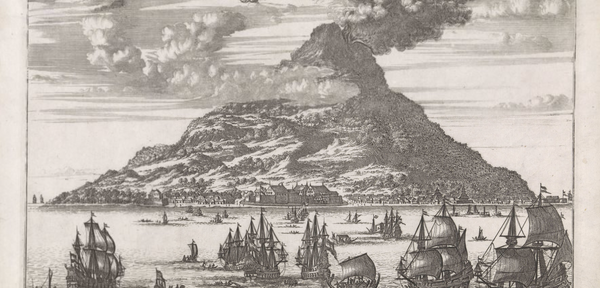
As Michael O'Sullivan has outlined in his blogpost ‘What is a Factory?’ (www.capasia.eu/what-is-a-factory/), understanding the factory is at the core of the CAPASIA project. This world of European factories in Asia was an extremely heterogeneous one. Some factories existed only for a
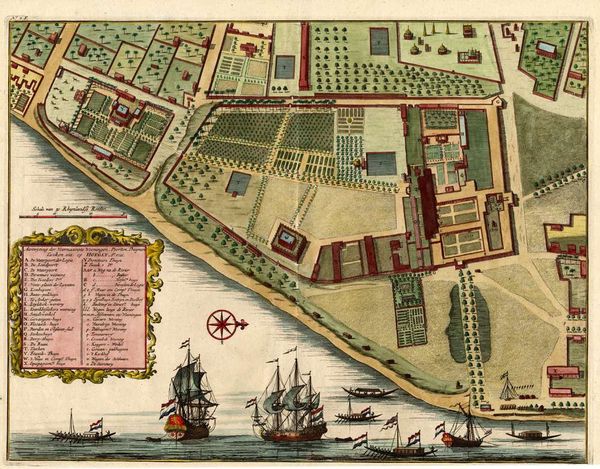
During the 1780s the ruler of Mysore, Tipu Sultan, commissioned his lieutenants to open up a string of “factories,” or trading posts. These factories were earmarked for construction at several points inside and outside of India (Official Documents, Relative to the Negotiations Carried on by Tippoo Sultaun, 43). In establishing